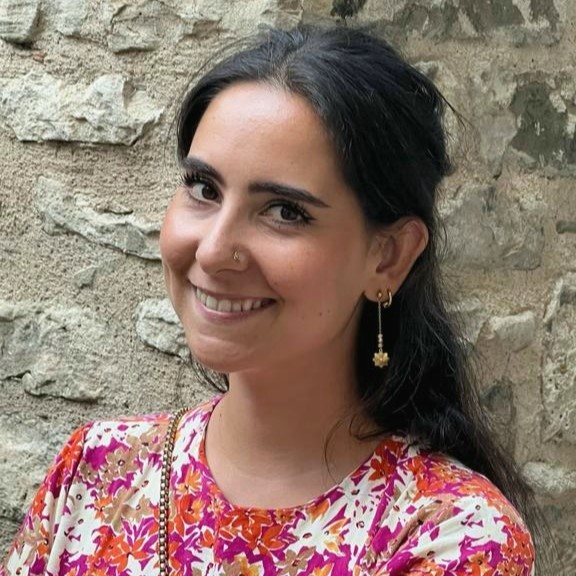
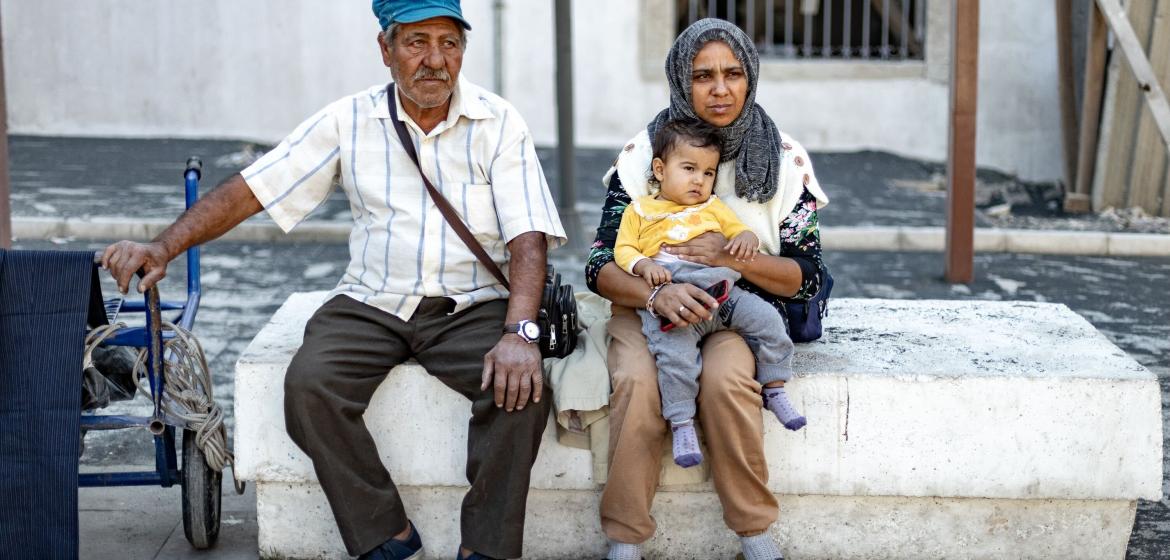
Since 2011, Turkey has hosted more than five million Syrians. Cahide Sarı Okur, Secretary General of Agora Association for Migration Research in Izmir, speaks about the current situation, return dynamics, and social cohesion.
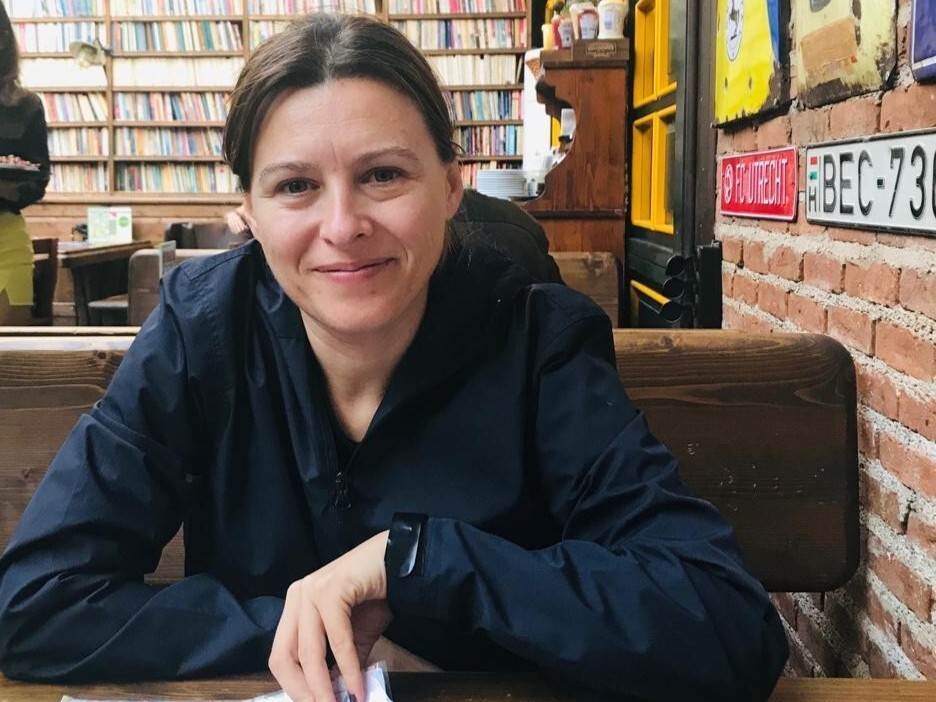
Cahide, the Agora Association is working on marginalized groups and their rights in Turkey. If we look back to the first years after 2011, how was the initial arrival of Syrians managed, and what were the main shortcomings of the early response?
When Syrians first arrived in Turkey, the process was managed neither systematically nor transparently. Health sector unions and human rights organizations were often denied access to the temporary refuge shelters, making independent monitoring impossible.
As a result, we were never able to fully assess whether women were adequately protected or whether human rights violations occurred. Over time, many Syrians left these camps and moved to large cities in search of work or to join relatives. At no time did we observe a comprehensive, systematic approach to settlement or integration.
Which services are hard to access for Syrians?
Education was one of the most critical areas, particularly children’s access to schooling. Temporary solutions were introduced, such as Arabic-language programs developed in cooperation with international organizations and the Ministry of National Education. However, these efforts were uneven and slow to take effect.
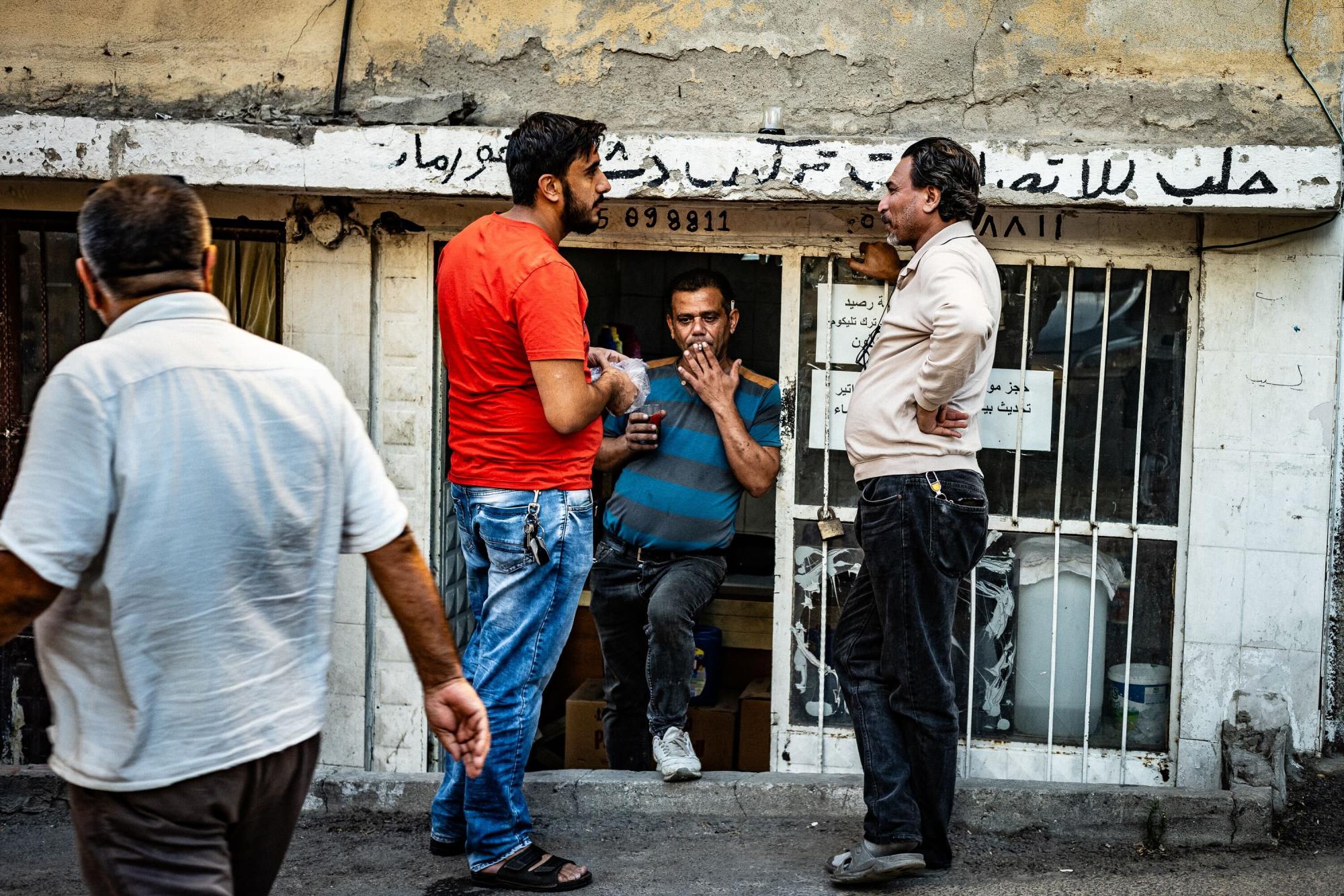
Under the temporary protection regime, Syrians formally have access to health care, education, and social services. In practice, however, access to legal employment remains extremely limited until today due to quotas and bureaucratic barriers. This has pushed the vast majority of Syrians into informal, insecure work.
They are concentrated in industries such as textiles, footwear, construction, furniture manufacturing, tourism, and seasonal agriculture. Informality has exposed Syrians to severe exploitation, including unpaid wages, unsafe working conditions, and workplace accidents.
What you describe are precarious living conditions. How did Syrians navigate this situation?
Most Syrians have depended on the Red Crescent card (Kızılaykart), which provides monthly cash assistance to vulnerable households, as well as limited social cohesion assistance. These payments are extremely low and barely sufficient to cover basic food needs. Families have survived through a combination of informal labor, debt, and support networks.
How have people’s attitudes toward Syrians evolved over time in Turkey?
The refugee issue has been repeatedly instrumentalized by political actors. Even parties and associations that identify as left-wing have struggled to develop a rights-based approach to migration.
In several large cities, we witnessed incidents resembling pogroms: homes were burned, shops vandalized, and children harassed simply for being Syrian. These incidents were rarely spontaneous. They tended to coincide with election cycles and were often fueled by political rhetoric. Meanwhile, everyday exploitation continues largely unchecked.
At Agora Association, you recently published a report on the current situation of Syrians in Turkey. How did the regime change in Syria in December 2024 affect refugees’ outlooks?
After the fall of the Assad regime and the emergence of the al-Sharaa government in 2024, a new phase began. Large celebrations took place across Turkey and many Syrians initially welcomed the change. According to interviews conducted by civil society organizations in January and February, as many as 70 percent of respondents initially expressed an intention to return. However, follow-up interviews in June, July, and August showed that this figure declined significantly.
Why did so many Syrians change their mind?
The most decisive factor is not conditions in Turkey, but conditions inside Syria. Refugees rely heavily on information from relatives and acquaintances who have returned, including on whether security has improved, whether schools and hospitals are functioning, and whether jobs are available. As the answers were often negative, many Syrians postponed or abandoned plans to return. Property ownership also plays a role. Those who own land or homes in Syria often wish to return temporarily to assess damage or reclaim assets. Turkey initially allowed limited “go-and-see” visits, but this policy was suspended in July 2025.
One of our key findings is that the poorest Syrians, particularly Dom communities, were the first to return. Their decision was driven by extreme exclusion and discrimination in Turkey. Similar patterns were observed after the earthquake in February 2023, when discriminatory aid practices disproportionately affected the most vulnerable.
How do gender and identity shape return decisions?
In a presentation at the Agora Association, the NGO Kaos GL reported that LGBTI+ Syrians do not plan to return under any circumstances. Given the Syrian government’s stance, third-country resettlement is the only realistic option for a safe life.
Women and girls also face specific concerns. Many Syrian women entered the labor force for the first time in Turkey and experienced greater autonomy, particularly in cities like Izmir and Istanbul. They are reluctant to give this up, assuming these conditions are unlikely to exist in Syria. Despite this, return decisions are generally made by men within families. Women rarely have decision-making power, except in female-headed households, where resistance to return is more common.
What about Syria’s ethnic and religious minorities?
Groups such as Assyrians, Chaldeans, and Yazidis largely used Turkey as a transit country and resettled elsewhere, particularly in Canada and the United States. They did not feel safe or comfortable in Turkey’s Sunni-dominated social environment and rarely identified themselves openly. Small numbers of Alawite and Druze Syrians arrived later, initially during the Assad era, when the war led to severe shortages of resources and services, and subsequently in higher numbers as violence in Syria escalated.
How has Turkey’s policy environment changed since the Syrian regime change?
Rather than pursuing overt forced deportations, the Turkish government has increasingly relied on indirect pressure. Access to essential services, particularly health care and education, is restricted. As of January 2026, Syrians will be required to pay health care costs out of pocket unless they can prove extreme poverty. This decision has not been widely communicated, and most Syrians are unaware of it. They will likely discover it only when seeking medical care.
Educational stipends, already minimal, are also expected to be discontinued. These measures reflect both domestic policy choices and the broader EU approach to migration control.
Despite the significance of these changes, awareness among Syrians remains limited. Information circulates unevenly, and misinformation is widespread. Notably, while Syrians often consult NGOs on education-related issues, they rarely seek institutional guidance on return decisions, instead relying primarily on personal and community networks.
What would be required for voluntary, sustainable return?
Sustainable return requires stability, security, employment, and functioning education and health systems. Large-scale international investment, such as World Bank-supported infrastructure funding, is essential.
The scale of destruction in Syria is enormous, comparable in some areas to Gaza. Without electricity, sanitation, internet access, and basic services, daily life cannot function. As long as conditions inside Syria do not improve substantially, Syrians will continue to remain in Turkey, even as their rights erode here.
Who bears responsibility for the Syrians who stay behind and need assistance?
In our report, we place primary responsibility on municipalities rather than NGOs. Legally, municipalities have broad authority, including the ability to provide health and education services. Engagement depends heavily on political leadership, though. In some cases, cooperation is only possible if projects are framed as “social cohesion” rather than refugee rights.
Municipalities may collaborate when external funding is available, but they are reluctant to allocate their own budgets or publicly associate with refugee issues. Social cohesion thus becomes a politically acceptable umbrella, particularly in mixed neighborhoods where Syrians, Turks, and Kurds live together.
What is the role of NGOs then?
Civil society should focus on monitoring returns, documenting rights violations, combating misinformation, and advocating against forced returns. At the same time, municipalities must be pressured to act. Many refugee desks are being closed despite millions of Syrians remaining. As their rights are restricted, the need for local support will only grow.
Looking ahead, what needs to change for sustainable coexistence in Turkey?
Turkey lacks meaningful experience with social cohesion and robust social protection mechanisms. Informal labor is often incentivized by aid structures, increasing exploitation and risk. There are no adequate social protection systems for LGBTI+ individuals, limited ones for people with disabilities, and insufficient measures to prevent underage marriage. Civil society must draw on international examples and advocate for inclusive social protection policies. Social protection is the cornerstone of sustainable coexistence.
This article was written in cooperation with the Rosa Luxemburg Foundation and is based on the joint event ‘Syria: Coming Back Is Not Going Home. Return and Displacement after the Fall of the Assad Regime.’ Cahide Sarı Okur works for the Agora Association in Izmir. The interview was held in Turkish and translated by the author.